
Release Date: December 5, 2025
Expiration Date: December 5, 2026
Activity Overview
Adenosine deaminase–deficient severe combined immunodeficiency (ADA-SCID) is a rare, life-threatening inborn error of the immune system characterized by profound T-, B-, and NK-cell dysfunction and multiorgan complications beginning in early infancy. Integration of newborn screening using T-cell receptor excision circles, complemented by tandem mass spectrometry for ADA-specific metabolites, now enables presymptomatic detection and rapid confirmatory testing. Emerging data on elapegademase-based enzyme replacement therapy, hematopoietic cell transplantation, and lentiviral gene therapy are also reshaping long-term outcomes. This case-based activity will explore how to apply these advances to personalize care and optimize quality of life across the ADA-SCID continuum.
Target Audience
This educational activity is directed toward pediatric immunologists, immunologists, genetic counselors, specialty practitioners, nurse practitioners, physician assistants, and nurses who specialize in treating patients with ADA SCID.
Learning Objectives
Upon successful completion of this activity, you should be better prepared to:
- Outline the biomarkers and diagnostic tests used in newborn screening (NBS) for adenosine deaminase-deficient severe combined immunodeficiency (ADA-SCID)
- Assess the latest clinical evidence surrounding enzyme replacement therapy (ERT), hematopoietic cell transplantation (HCT), and gene therapy for the treatment of ADA-SCID
- Create personalized patient treatment plans to optimize care and quality of life in ADA-SCID
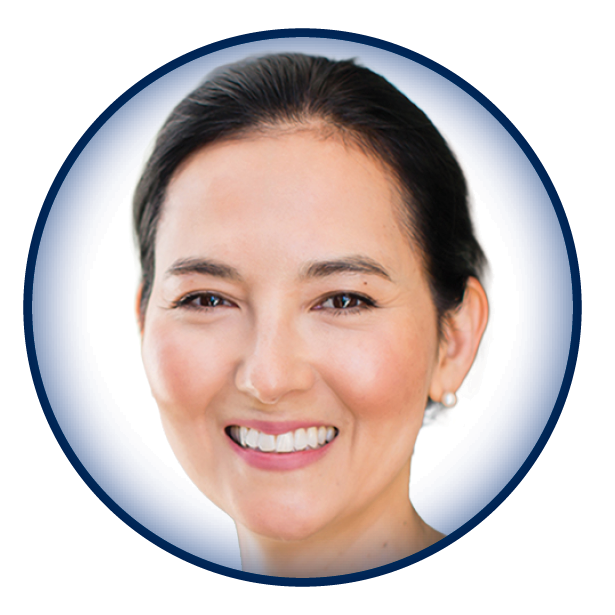
Morna Dorsey, MD, MS
Medical Director
Pediatric Immunology and
Allergy Center
UCSF Benioff Children’s
Hospitals
San Francisco, CA
Disclosures: Dr. Morsa Dorsey has no relevant financial relationships with ineligible companies.

Caroline Kuo, DPhil, MPhil
Professor and Department Chair
of Health Studies
Director of the Youth and
Family Resilience and Well-Being Lab
American University
Washington, DC
Disclosures: Dr. Caroline Kuo has no relevant financial relationships with ineligible companies.
Faculty, Staff, and Planners’ Disclosures
The staff of Physicians’ Education Resource®, LLC, have no relevant financial relationships with ineligible companies.
PER® mitigated all COI for faculty, staff, and planners prior to the start of this activity by using a multistep process.
Off-Label Disclosure and Disclaimer
This activity may or may not discuss investigational, unapproved, or off-label use of drugs. Learners are advised to consult prescribing information for any products discussed. The information provided in this accredited activity is for continuing education purposes only and is not meant to substitute for the independent clinical judgment of a health care professional relative to diagnostic, treatment, or management options for a specific patient’s medical condition. The opinions expressed in the content are solely those of the individual faculty members and do not reflect those of PER® or any company that provided commercial support for this activity.
GET STARTED WITH THIS PROGRAM:
Register now to gain access to this program.
Create AccountAlready Registered? Login Here