
Release Date: December 23, 2025
Expiration Date: December 23, 2026
Activity Overview
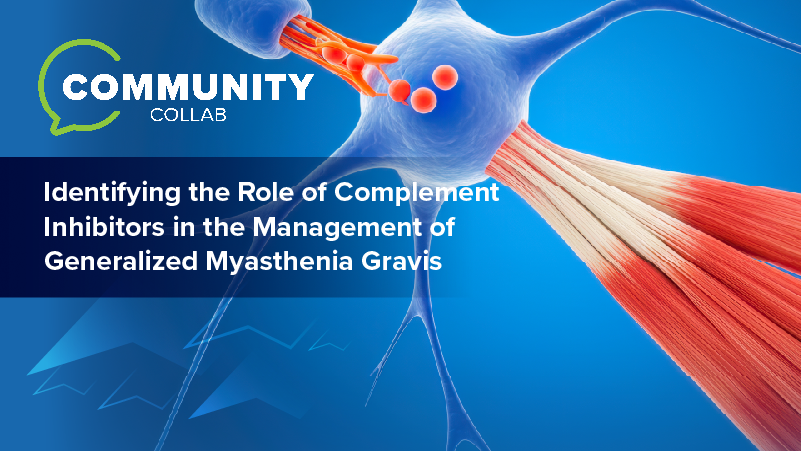
In generalized myasthenia gravis (gMG), pathogenic antibodies activate the terminal complement cascade at the neuromuscular junction, leading to membrane attack complex–mediated damage of the postsynaptic membrane. Complement C5 inhibition directly blocks this mechanism, addressing a central driver of disease rather than providing broad immunosuppression. This educational program for neurologists provides a focused, clinically grounded update on the role of complement inhibition in the management of gMG. Emphasis is placed on the pathophysiologic rationale for targeting the terminal complement and how this strategy translates into meaningful clinical benefit for patients with refractory or severe symptoms.
The program features experienced neuromuscular specialists who integrate pivotal clinical trial data with real-world insights drawn from years of treating patients with gMG. Faculty review efficacy and safety outcomes from key studies of complement inhibitors, discuss patient selection and timing of therapy, and address practical considerations such as onset of action, durability of response, and infection risk mitigation. Participants will gain a clear understanding of where complement inhibitors fit within the evolving gMG treatment landscape and how to apply evidence-based strategies to optimize outcomes in appropriate patients.
Target Audience
This educational activity is directed toward an audience of neurologists, nurse practitioners, physician assistants, and other HCPs involved in the management of gMG.
Learning Objectives
Upon successful completion of this activity, you should be better prepared to:
- Outline the role of the complement pathway in the pathophysiology of generalized myasthenia gravis
- Analyze emerging data on complement therapies for gMG
- Integrate complement therapies into individualized management plans for patients with gMG

James F. Howard Jr, MD, FAAN
Professor of Neurology, Medicine, and Allied Health
UNC School of Medicine
The University of North Carolina at Chapel Hill
Chapel Hill, NC
Disclosures: Grant/Research Support: Alexion Pharmaceuticals, Argenx, Biologix Pharma, Millennium Pharmaceuticals; Other/Honoraria: Alexion Pharmaceuticals, Argenx, Biologix Pharma
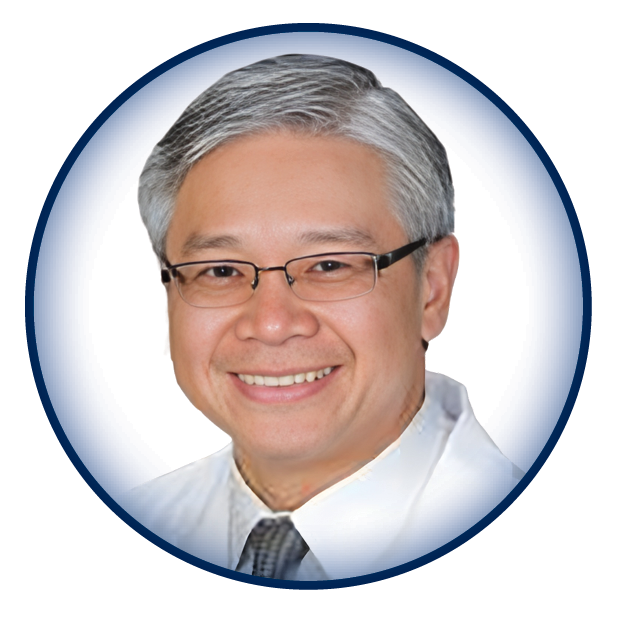
Tuan Vu, MD
Professor, Department of
Neurology
University of South Florida
Tampa, FL
Disclosures: Grant/Research support/Honoraria: Alexion Pharmaceuticals, Allergan
The staff of Physicians’ Education Resource®, LLC have no relevant financial relationships with ineligible companies.
PER® mitigated all COI for faculty, staff, and planners prior to the start of this activity by using a multistep process.
Off-Label Disclosure and Disclaimer
This activity may or may not discuss investigational, unapproved, or off-label use of drugs. Learners are advised to consult prescribing information for any products discussed. The information provided in this accredited activity is for continuing education purposes only and is not meant to substitute for the independent clinical judgment of a health care professional relative to diagnostic, treatment, or management options for a specific patient’s medical condition. The opinions expressed in the content are solely those of the individual faculty members and do not reflect those of PER® or any company that provided commercial support for this activity.
GET STARTED WITH THIS PROGRAM:
Register now to gain access to this program.
Create AccountAlready Registered? Login Here